0% developer instalment plans in Georgia: how they work and what's the catch
Interest-free, no bank and no proof of income: instalments are the main selling point of Georgian new builds. We look at real developer terms, run the numbers and show where the risks are.

- The developer provides the plan: a 10–30% deposit, then the balance interest-free, usually until completion, over 9–42 months.
- No bank or proof of income is needed, but payments are large because the term is short.
- The main catch is price: many developers discount full payment, so the overpayment hides in the price difference.
- Until you've paid in full and the building is complete, the unit usually isn't registered to you: the preliminary agreement is what counts.
- Before buying, check the land in the Public Registry, the building permit, the developer's finished projects and the contract terms.
How developer instalments work
A 0% instalment plan in Georgia is not a bank loan but a payment schedule offered by the developer itself. You pay a deposit, then the balance in parts without interest, usually until the building is completed. No proof of income, credit history or guarantors are needed: the sales department decides, not a bank.
A typical scheme looks like this:
- Deposit: most often 30%, from 10% on some projects.
- Term: from 9 to 36–42 months, usually until completion.
- Payments: monthly or quarterly, in US dollars (sometimes euros).
- Final payment: sometimes a separate payment on handover.
Real terms from our catalogue
To keep it concrete, here are the terms developers state in their presentations for projects in our catalogue:
| Project | Deposit | 0% instalments |
|---|---|---|
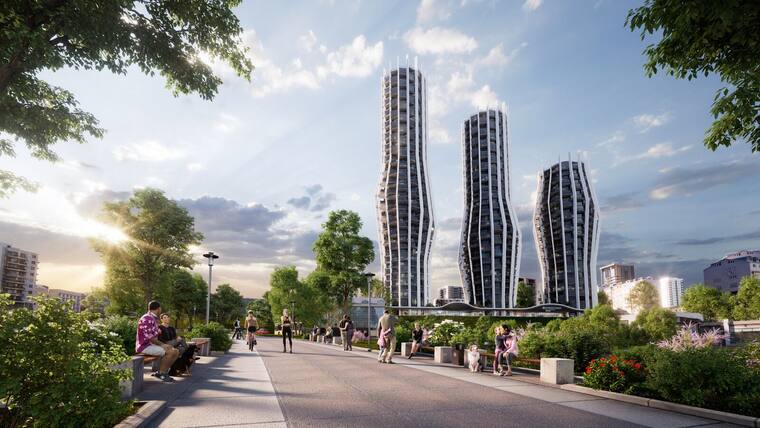
| Alliance Centropolis, Batumi | 10% | 80% until end of 2028, 10% final payment |
| Alliance Highline, Tbilisi | 10% | 60% over 30 months, 30% final payment |
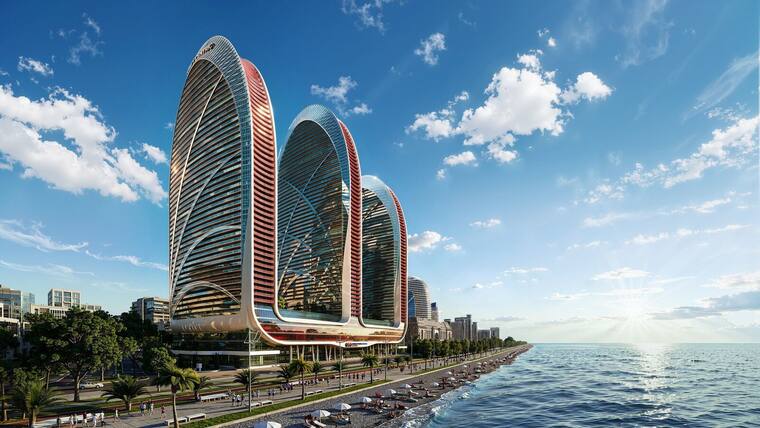
| Grand Life, Batumi | 30% | 42 months |
| Graphic Residence, Batumi | 30% | 36 months |
| Old City Panorama, Tbilisi | 30% | 24 months |
| New Village, Gonio | 30% | 24 months, or 30% / 30% / 40% on handover |
| Taghi, Tbilisi | 30% | 18 months |
Terms change: developers revise them as sales progress. Check current terms before reserving.
A worked example
A studio in Alliance Centropolis costs from $84,290. On the 10/80/10 scheme:
- deposit: about $8,430;
- 80% ($67,432) is spread over the months until the end of 2028: starting in November 2026, that is 26 payments of roughly $2,600;
- the final 10% (about $8,430) is due on completion and can be covered by a bank mortgage.
Grand Life works differently: 30% upfront (from €54,634) and 42 monthly payments from €3,035. The term is longer, but the starting sum is higher. Compare not just the deposit percentage but the monthly payment: that is what decides whether a plan is comfortable for you.
What's the catch
The interest really is zero. But an interest-free plan has its own costs, and it's worth knowing them in advance.
1. The instalment price may be higher than the cash price
Many developers give a discount for paying 100% upfront. In our catalogue, for example, Anagi Park Home (up to 5% off) and iVillas. In effect, the interest is hidden in the price difference. Always ask for two prices, cash and instalments, and work out what you actually overpay.
2. Short terms mean large payments
The term is usually tied to completion, so it's 1.5–3 years, not 20 like a mortgage. The monthly payment on an $80–100k apartment easily exceeds $2,000. If your income is irregular, choose a longer term or a lower price.
3. Until you've paid in full, the apartment usually isn't yours
You can't sign a standard purchase agreement for a unit that doesn't exist yet: you sign a preliminary agreement with the developer. Ownership is usually registered in the Public Registry after full payment and completion. Until then you have contractual rights, not property. That's why the contract itself matters so much.
4. Late-payment penalties and termination
Check what happens if you're late: penalties, the developer's right to terminate, how much is refunded and when. If the contract is terminated because of the buyer, part of the money paid may be withheld.
5. Construction delays are your risk
Georgian developers generally finish their projects, but deadlines often slip. Georgia has no special buyer-protection mechanisms such as mandatory escrow accounts. See what the contract says about compensation for late completion, and find out whether a bank finances the construction: a project that doesn't depend only on sales is safer.
6. Payment currency
Prices and schedules are almost always in US dollars. If you earn in another currency, exchange rates can make each payment more expensive.
How to check the developer and the contract
- Land and rights. A Public Registry extract (napr.gov.ge) shows who owns the plot and whether it has any encumbrances.
- Building permit and number of floors: they should match what you're being sold.
- Completed projects: were they delivered on time, and how do they look now?
- Court disputes with buyers and contractors.
- The contract: payment schedule, completion date, penalties for both sides, termination and refund terms, and what the price includes (shell or finished).
It's best to have the contract reviewed by a lawyer who doesn't work for the developer.
Instalments or a mortgage
Georgian banks do lend to foreigners, but at a noticeably higher rate than an instalment plan and with income checks. A common option is a combination: most of the price on a 0% plan and the final payment by mortgage. That is how the Alliance Centropolis scheme works, for example.
Who instalments suit
- Buyers purchasing off-plan who aren't in a hurry to move in.
- Those who want to lock in today's price and pay from current income.
- Investors who don't want to tie up the full amount at once.
If you need a home right now or have the full amount, compare the cash price: the discount may work out better.
This article is for information only and is not legal or financial advice. Rules and figures can change; confirm current terms before any transaction.